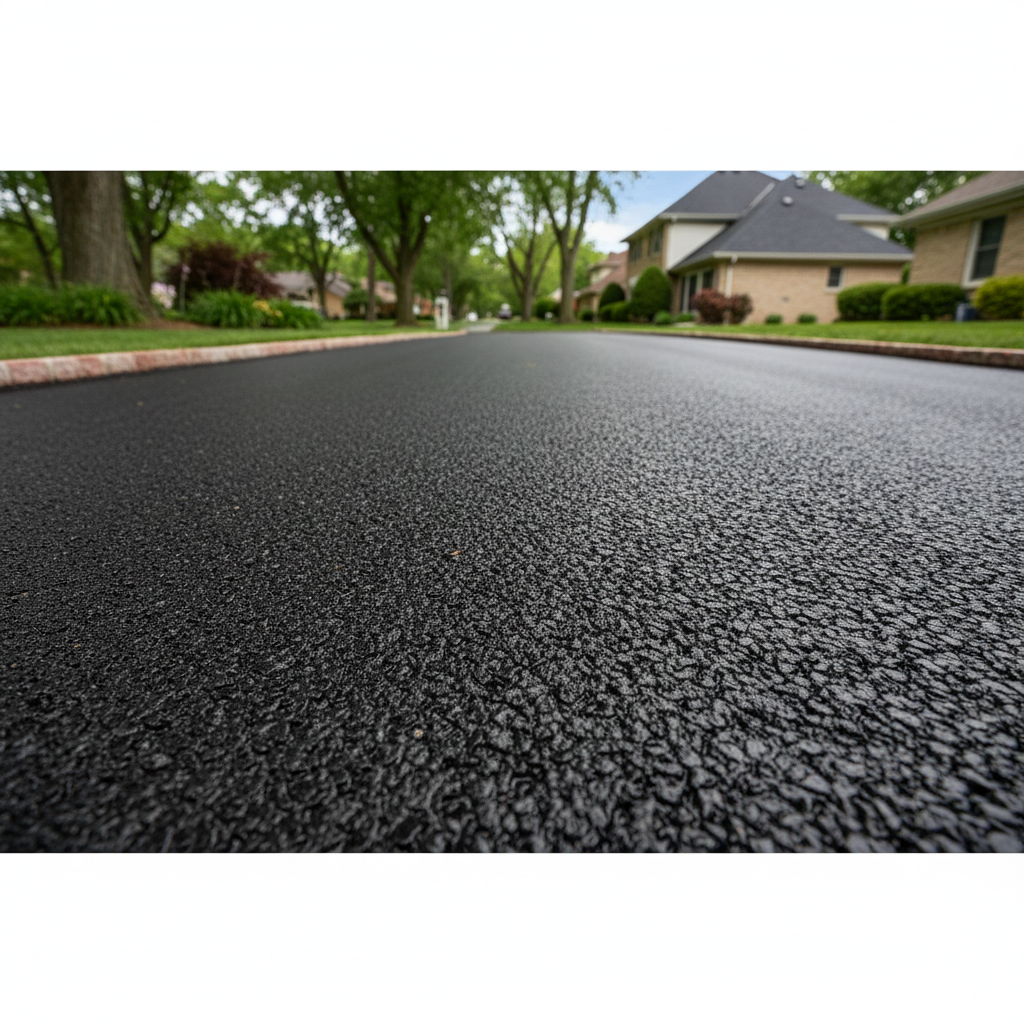
Your parking area or private drive takes a beating every single year. Between the heavy lake-effect snows, brutal winter freeze-thaw cycles, and summer heatwaves we get right here in the Chicago area, asphalt does not last forever without a little attention. If you are looking at tackling an asphalt project or hiring someone out, you need a straight game plan. Prairie Line Asphalt of Chicago breaks down what actually happens before, during, and after the job so you do not waste your time or money.
Before the Project Starts
Preparation makes or breaks any paving job. You cannot just slap new material over a crumbling mess and hope for the best. Take a close look at your surface layout. Are there massive puddles sitting after a routine rainstorm? That points to drainage issues or a failing sub-base. While you can map out the problem spots yourself, figuring out why the sub-base failed usually requires an experienced crew.
Before the equipment rolls in, you have a few things you can handle on your own:
- Clear out all vehicles, trailers, and stored equipment from the work zone.
- Mark any underground sprinkler heads or hidden utility lines if you are expanding.
- Notify tenants or family members about temporary access restrictions.
- Inspect the perimeter for landscaping that might get clipped by heavy machinery.
Leave the heavy engineering stuff to the pros. Prairie Line Asphalt of Chicago looks closely at soil stability and load requirements because local clay soils love to shift when moisture gets trapped and freezes.
During the Paving Process
Once the work begins, things move fast. Old, cracked asphalt gets ripped up, hauled away, and the base gets graded and compacted. If you see crews trying to lay hot-mix asphalt in freezing temperatures or pouring it into puddles of standing water, stop them immediately. Hot mix needs consistent warmth to compact properly and lock in density.
This phase is 100 percent contractor territory. You should not be jumping in the mix with a shovel unless you are trying to ruin your boots or mess up the grade. A solid crew will bring out heavy steam rollers and specialized paving machines. Your job during this window is staying out of the way, keeping pets indoors, and making sure nobody walks across the fresh mat too early. Fresh asphalt looks dark and inviting, but stepping on it leaves deep footprints that ruin the smooth finish.
After the Installation
The job is not finished just because the rollers parked. Curing takes time. Even though the surface cools down within a few hours, the internal binders need weeks to fully harden. Parking heavy delivery trucks on fresh pavement too soon will leave ruts that never quite flatten out.
Here is what you can manage post-project to protect your pavement:
- Keep heavy commercial vehicles off the new surface for at least a week.
- Avoid sharp power-steering turns while your tires are stationary, especially during hot summer afternoons.
- Plan for a professional sealcoat application about six to twelve months down the road once the asphalt has cured and breathed.
- Walk the edges every spring to catch minor cracks before winter moisture opens them up wide.
Taking care of small issues early keeps minor maintenance from turning into a total replacement bill down the road. If you keep up with basic sealcoating and prompt crack filling, your pavement will handle whatever Chicago weather throws at it.